· Classical portraits
Classical & Old Master Style Portrait Paintings
A classical portrait is built the way nineteenth-century portraits were built: a dark, warm ground, the light brought to the forehead and the bridge of the nose, and everything that is not the face allowed to fall into shadow.
- What it looks like
- Dark warm ground; light concentrated on the face; shadow doing most of the work
- Best for
- Founders and executives, graduation and retirement gifts, heirloom and memorial portraits
- Why we can paint it
- Our painters are trained on master copies — see studio work
- Mediums
- Oil on canvas is the traditional choice here; acrylic on request
- Typical composition
- Head and shoulders or half length, three-quarter view, plain ground
This is the style people reach for when a portrait has a job to do beyond likeness: hanging in a boardroom, marking a retirement, standing in for someone who is gone.
How a classical portrait is built
Almost the whole canvas sits in the dark half of the scale. A warm brown or deep green ground, a single light source off to one side, and the lit planes of the face — the forehead, the bridge of the nose, the cheekbone — carrying nearly all the brightness in the picture. Clothing goes dark; hands, if they appear at all, catch a little light and no more.
Painted badly this is just a murky picture. Painted properly, the darks stay transparent and full of colour rather than going to black, which is why oil and a layered approach suit it.
Why we show master copies
Anyone can claim to paint in the classical manner. The test is whether the painters can hold a drawing and build colour in layers, and the fairest way to show that is to copy a painting anyone can look up. Our studio work page has copies after Rubens, Holbein, Antonello and others, alongside academic drawings from plaster casts.
Those are not commissions and we do not sell copies of them. They are there so you can judge the level before you order.
What to send
A clear photograph of the face. The setting does not matter — the background is replaced with a painted ground either way, and the light is rebuilt. If you have a particular portrait in mind as a reference for the manner, send that too.
Classical portraits: recent work
Full portfolio →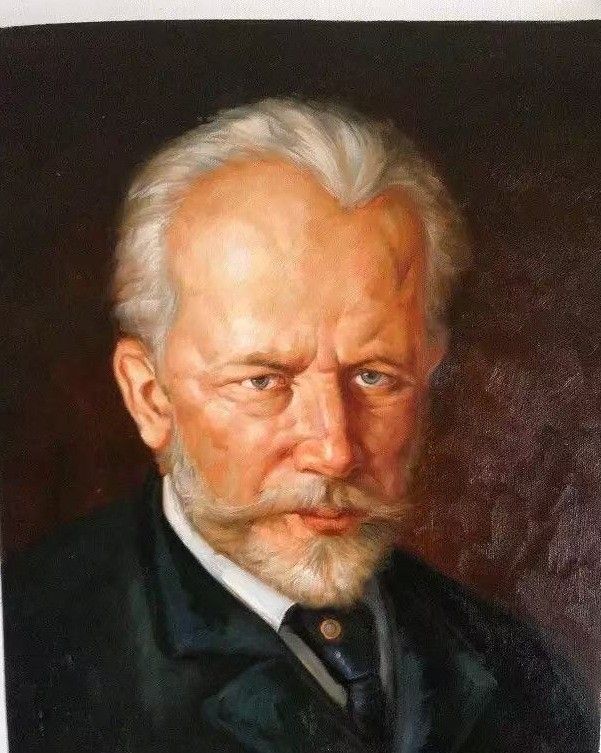
Portrait of a White-Bearded Man
Acrylic/oil, hand-painted on canvas · Refined
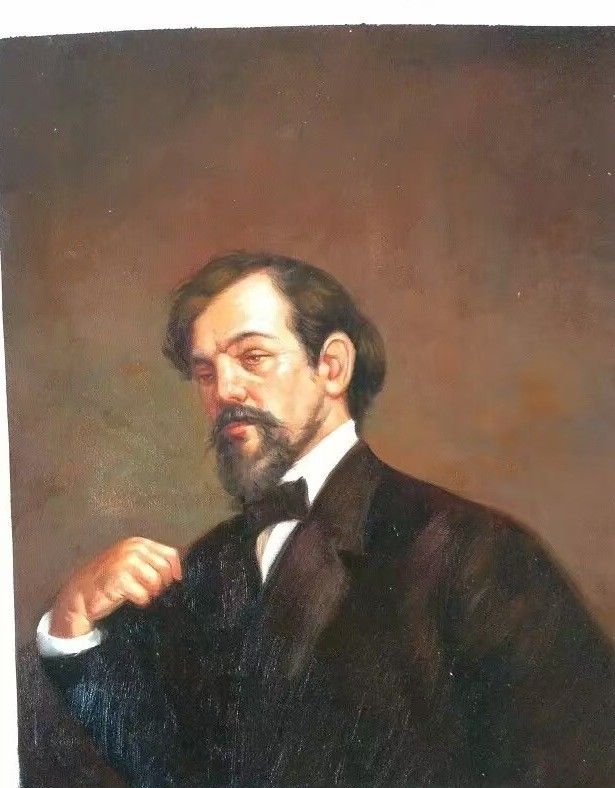
Portrait of a Man in a Bow Tie
Acrylic/oil, hand-painted on canvas · Refined
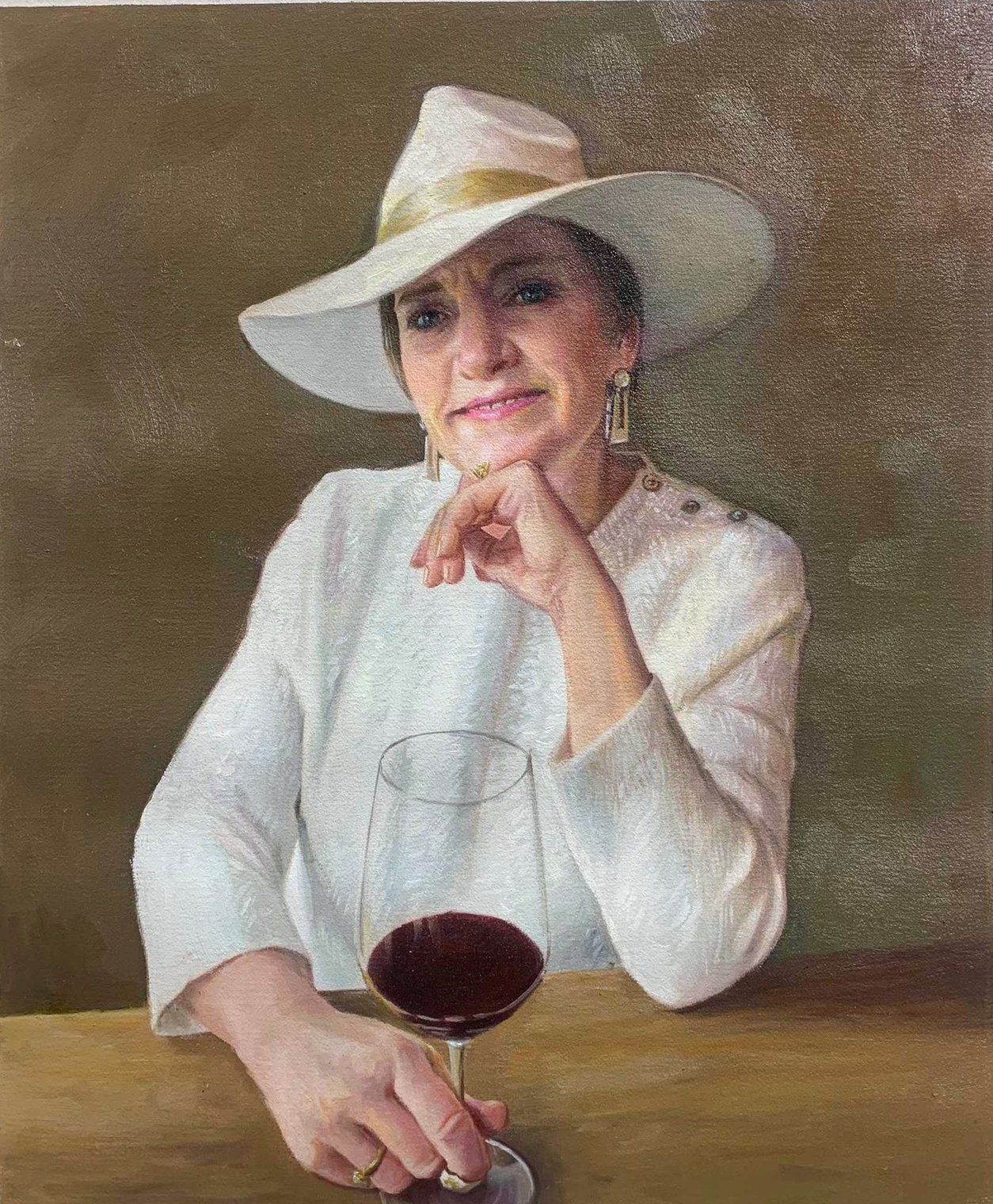
Woman with White Hat Portrait
Acrylic/oil, hand-painted on canvas · Refined
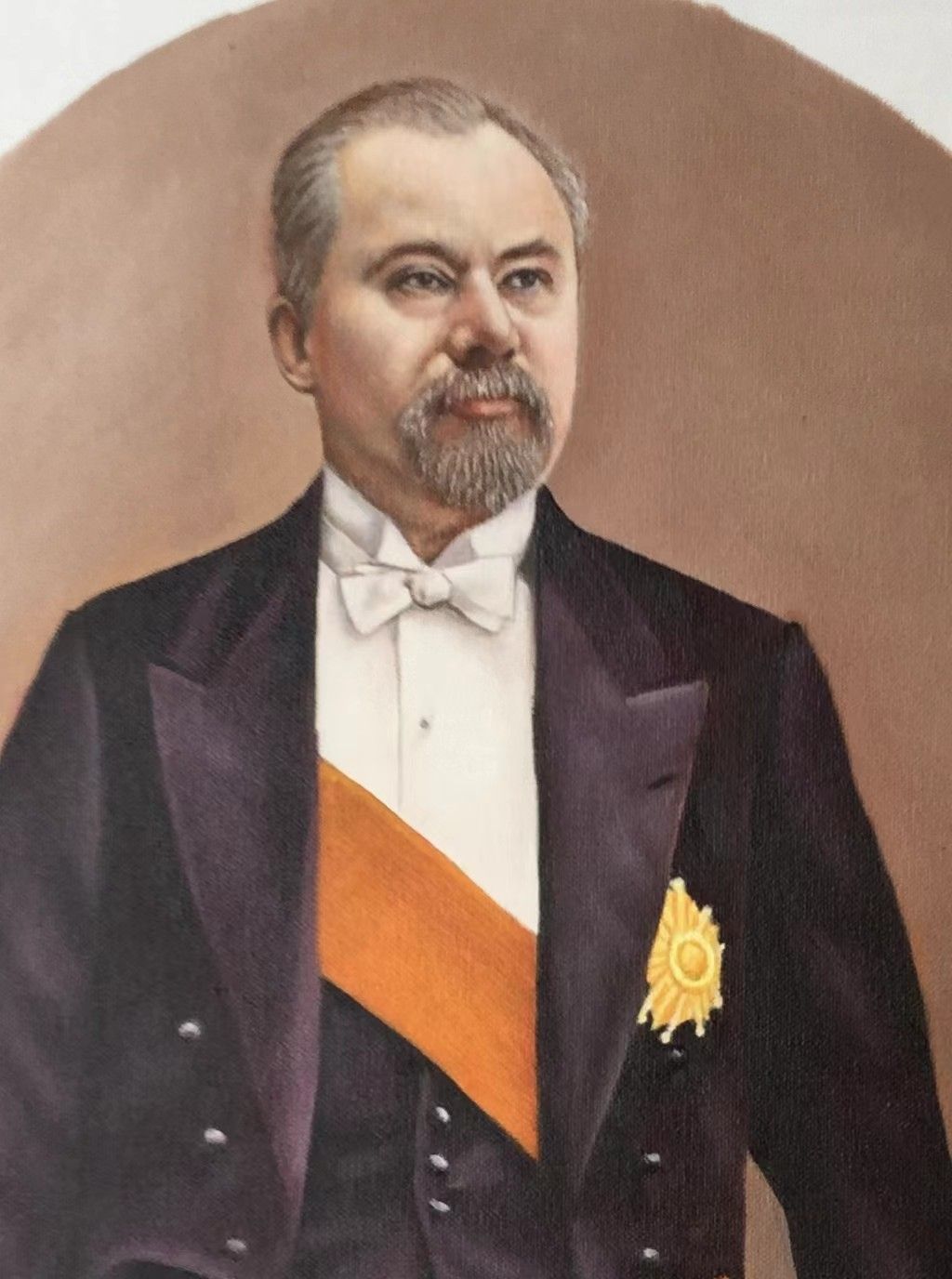
Formal Man Portrait
Acrylic/oil, hand-painted on canvas · Refined
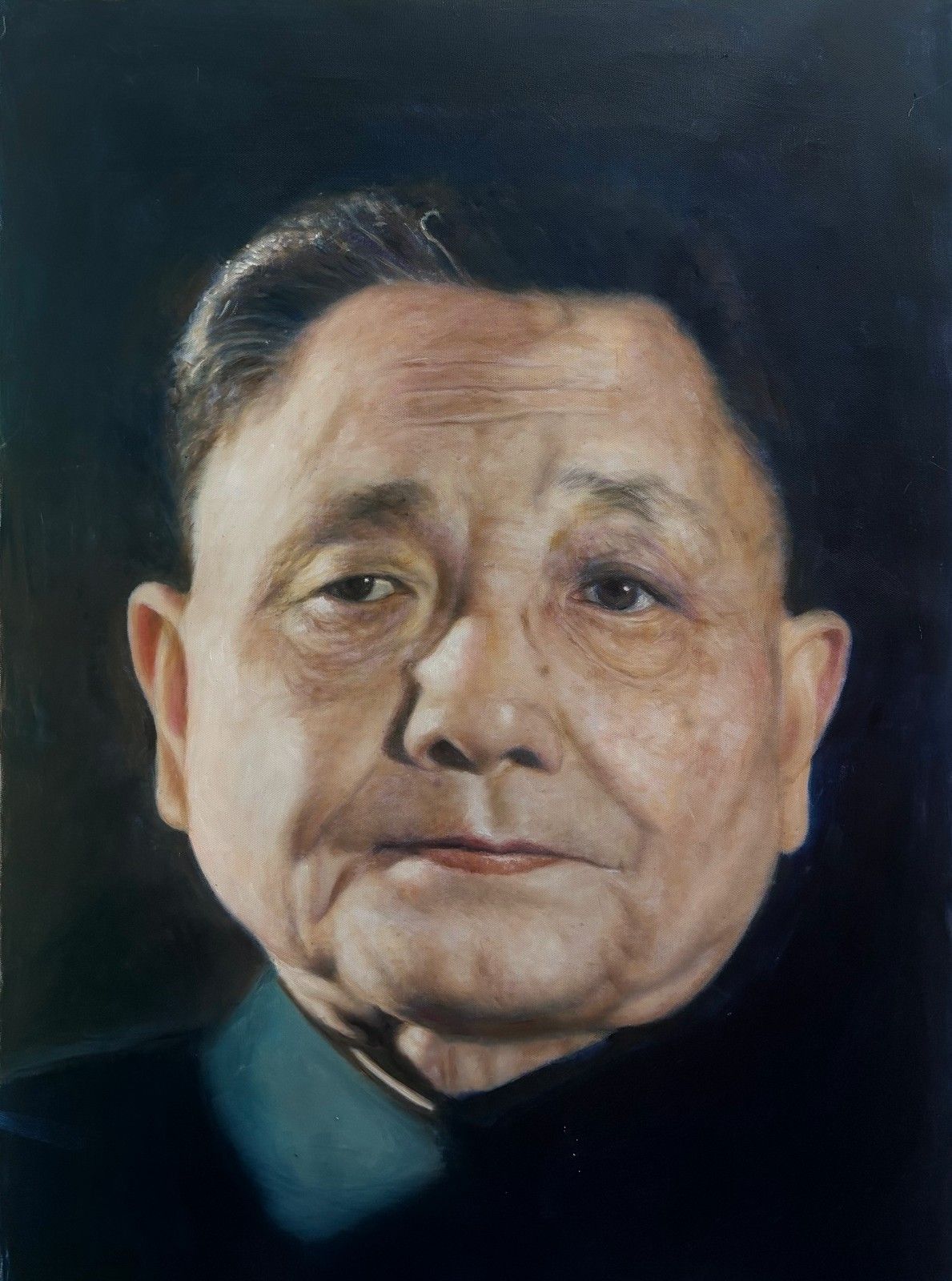
Elder Man Portrait
Acrylic/oil, hand-painted on canvas · Refined
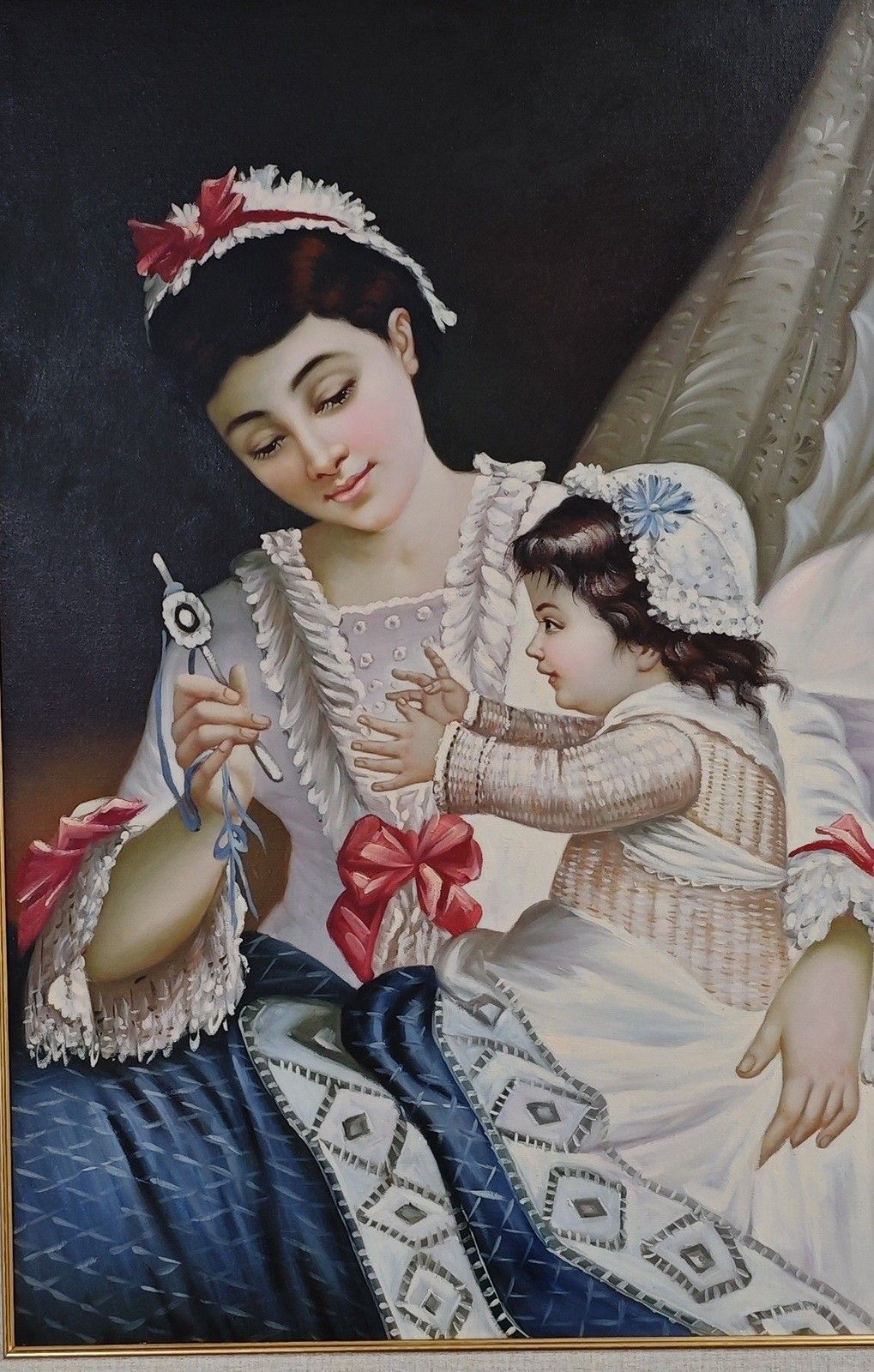
Mother and Child Classical Portrait · 2 subjects
Acrylic/oil, hand-painted on canvas · Refined
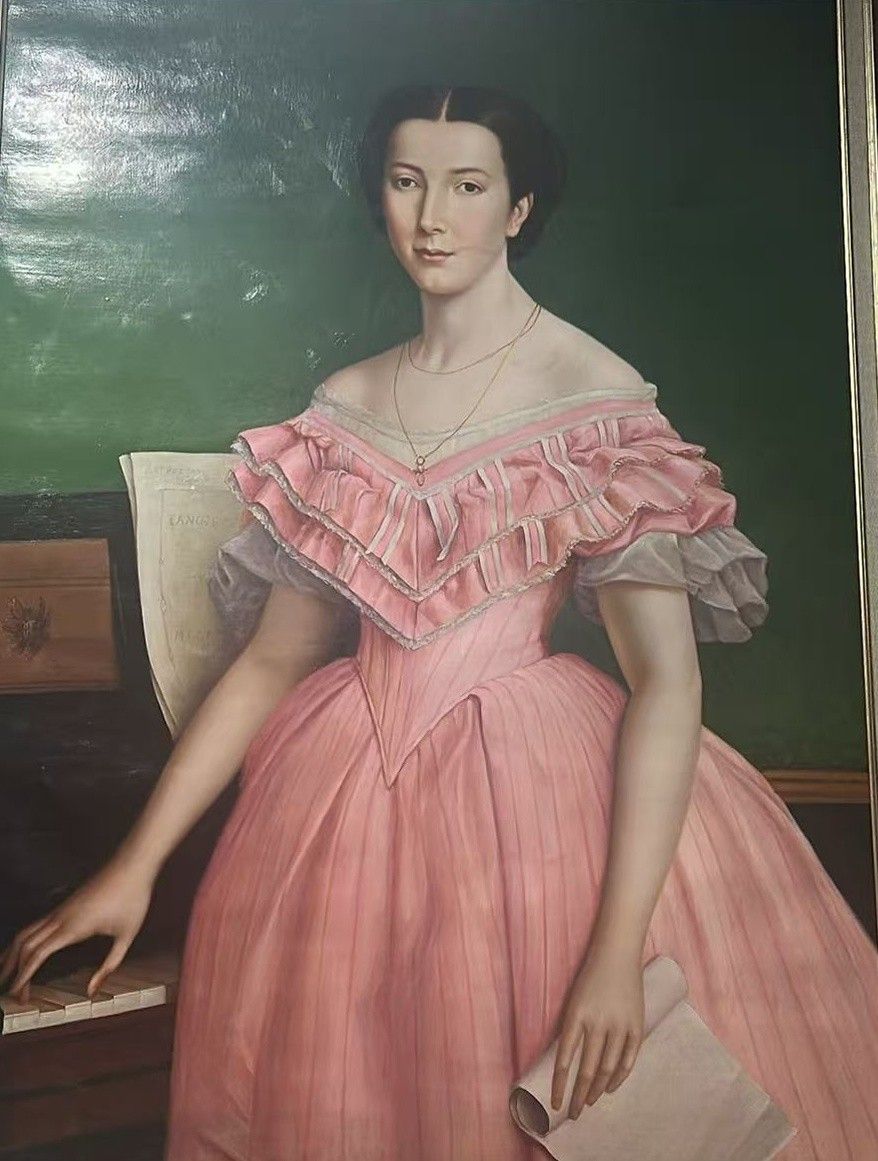
Woman in a Pink Dress
Acrylic/oil, hand-painted on canvas · Refined
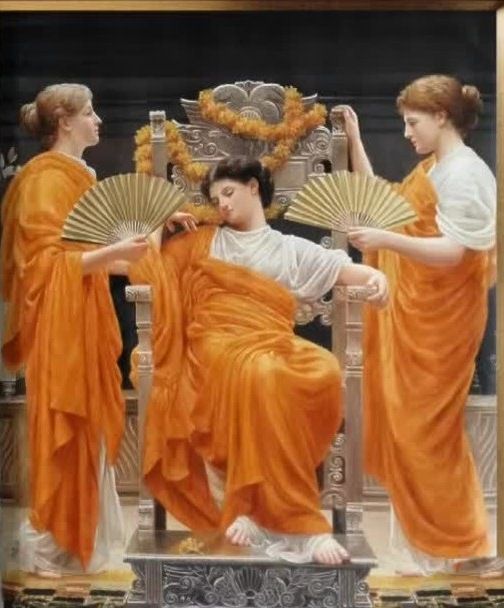
Classical Master Copy in a Gold Frame · 3 subjects
Acrylic/oil, hand-painted on canvas · Refined
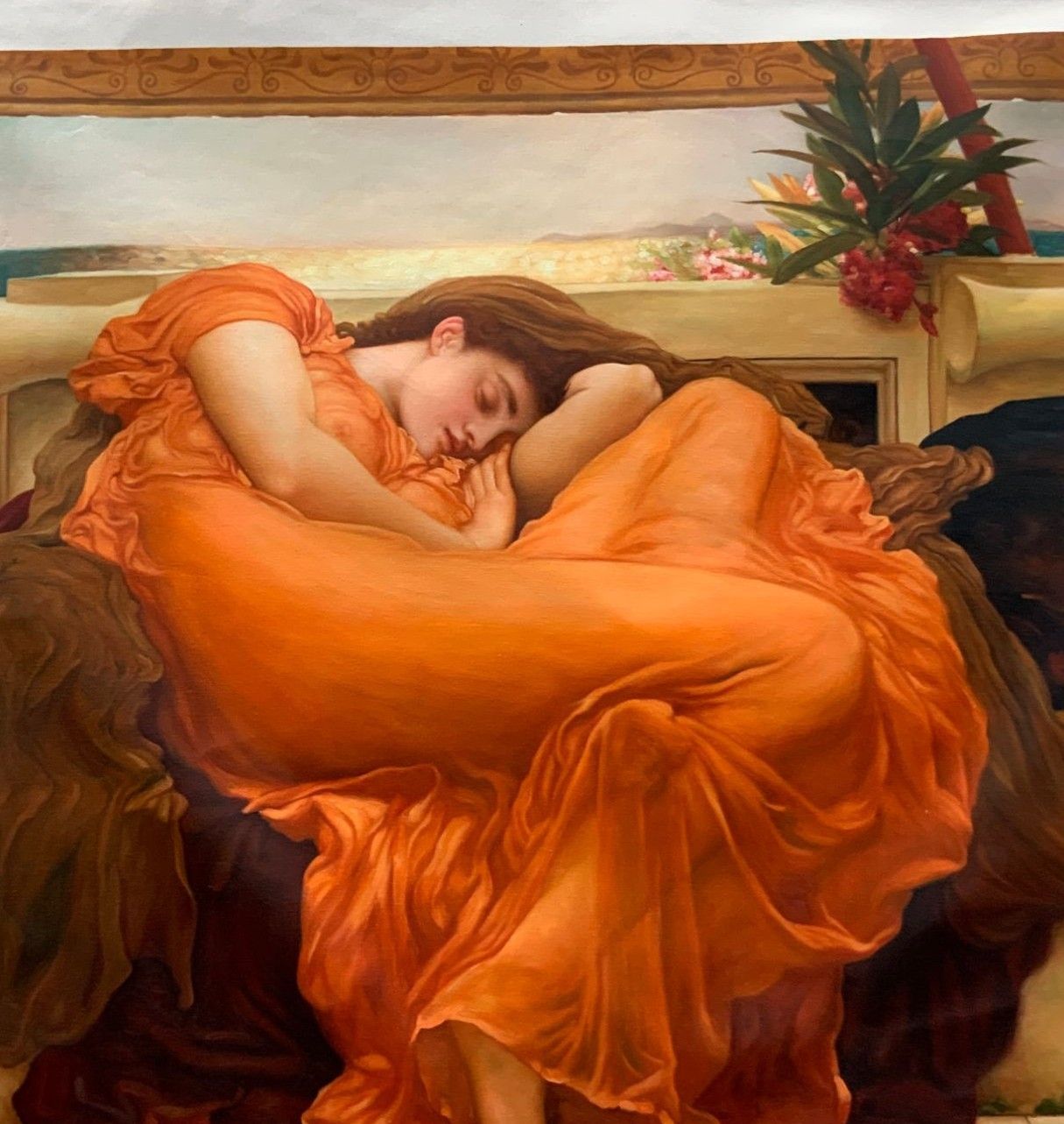
Flaming June Master Copy
Acrylic/oil, hand-painted on canvas · Refined
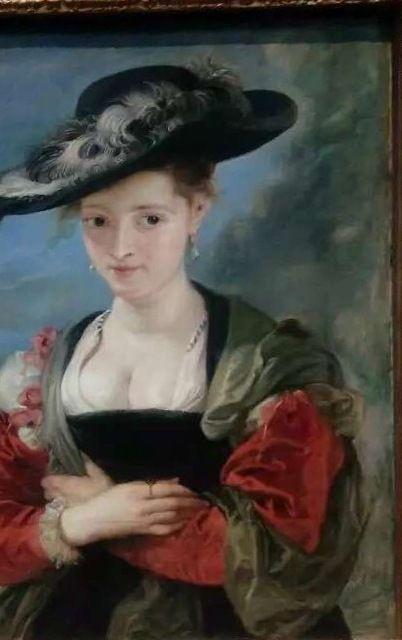
Rubens Master Copy
Acrylic/oil, hand-painted on canvas · Refined
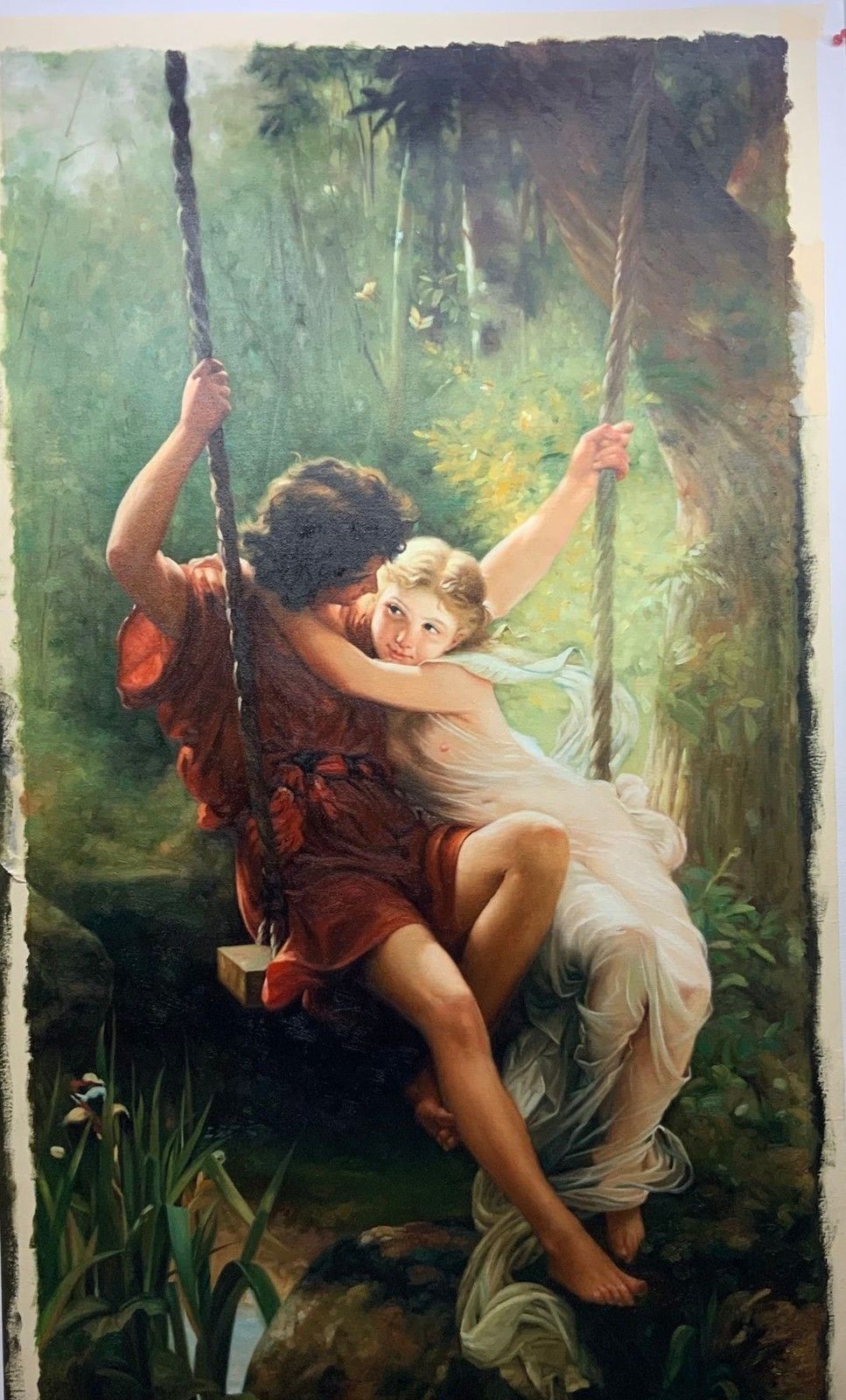
Springtime Master Copy · 2 subjects
Acrylic/oil, hand-painted on canvas · Refined
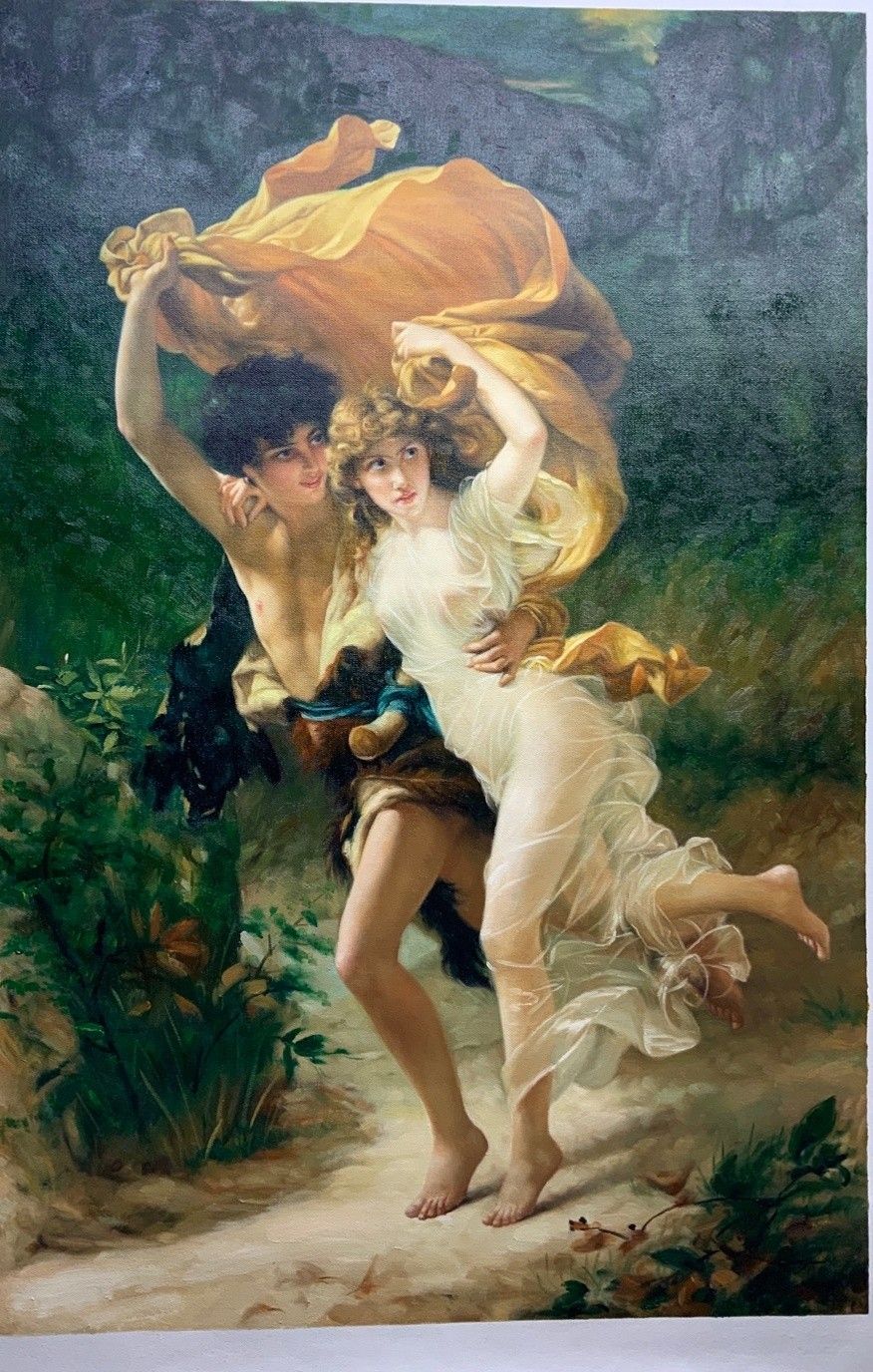
The Storm Master Copy · 2 subjects
Acrylic/oil, hand-painted on canvas · Refined
Showing 12 of 20 pieces in this category. See the full portfolio.
Proof of hand
Real paint, real brushstrokes
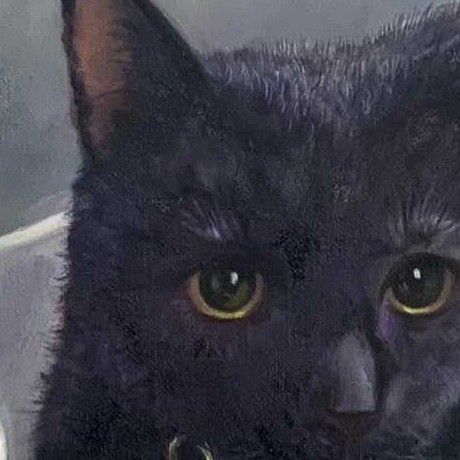
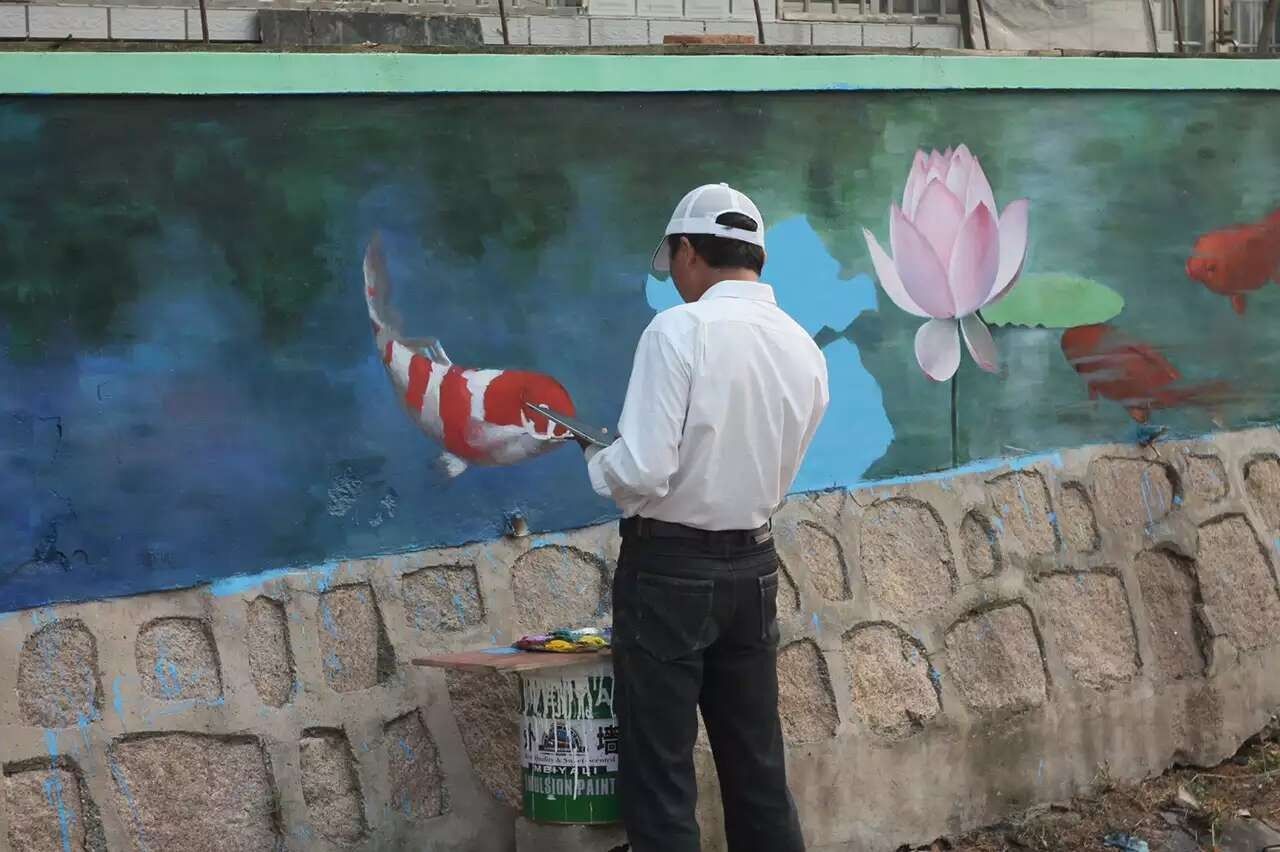
Every piece is completed by one painter from start to finish — no assembly line. Below: a close-up crop of a finished painting, and a painter at work. Every image on this site is a photograph of real hand-painted work.
Classical portraits FAQ
What makes a portrait "classical" rather than just realistic?
The lighting and the ground. A realistic portrait keeps the light that was in your photograph; a classical one replaces it with a single warm light falling on the face from one side, against a dark, quiet background. The result reads as a painting from another century rather than a photograph in paint.
Can you paint a classical portrait from an ordinary phone photo?
Yes, and it is one of the few cases where a plain snapshot works well — we are going to relight the subject anyway. What we need is a clear, well-focused face; the room it was taken in does not matter, because the background is replaced.
Do you paint in a specific painter's manner?
We can work towards a manner you name — send an image of the portrait you have in mind and we will tell you honestly how close we can get and what it would take. Our painters hold master copies in their training, and the copies on our studio work page show the level.
Which medium should a classical portrait be painted in?
Oil, if you are not in a hurry. The glazing and layering that give a classical portrait its depth are what oil does best, and it needs curing time before varnish. Acrylic can be taken most of the way there and ships sooner.
Can I order a single piece at trade pricing for a client?
Yes. Trade pricing starts from a single piece, and a project — a series for one interior, or a standing monthly order — is quoted the same way. Request the trade price list from the trade page.
Ask about a classical portraits portrait
Send a photo and a few details. We reply with a quote and tell you honestly whether the photo will work.
Thank you — we have your inquiry.
We reply within 24 hours on business days. Want an answer sooner? Message us on WhatsApp and mention your name.
Open WhatsApp